From a sapling nursery to an award-winning olive oil
We started in 2011, growing olive saplings at a nursery in Barra do Ribeiro. In 2013 we bottled our first harvest and became the first in Brazil to put the harvest year on the label. Today we have groves in four towns in Rio Grande do Sul, our own mill in Caçapava do Sul and olive oils awarded at the world's leading competitions.
It started with saplings
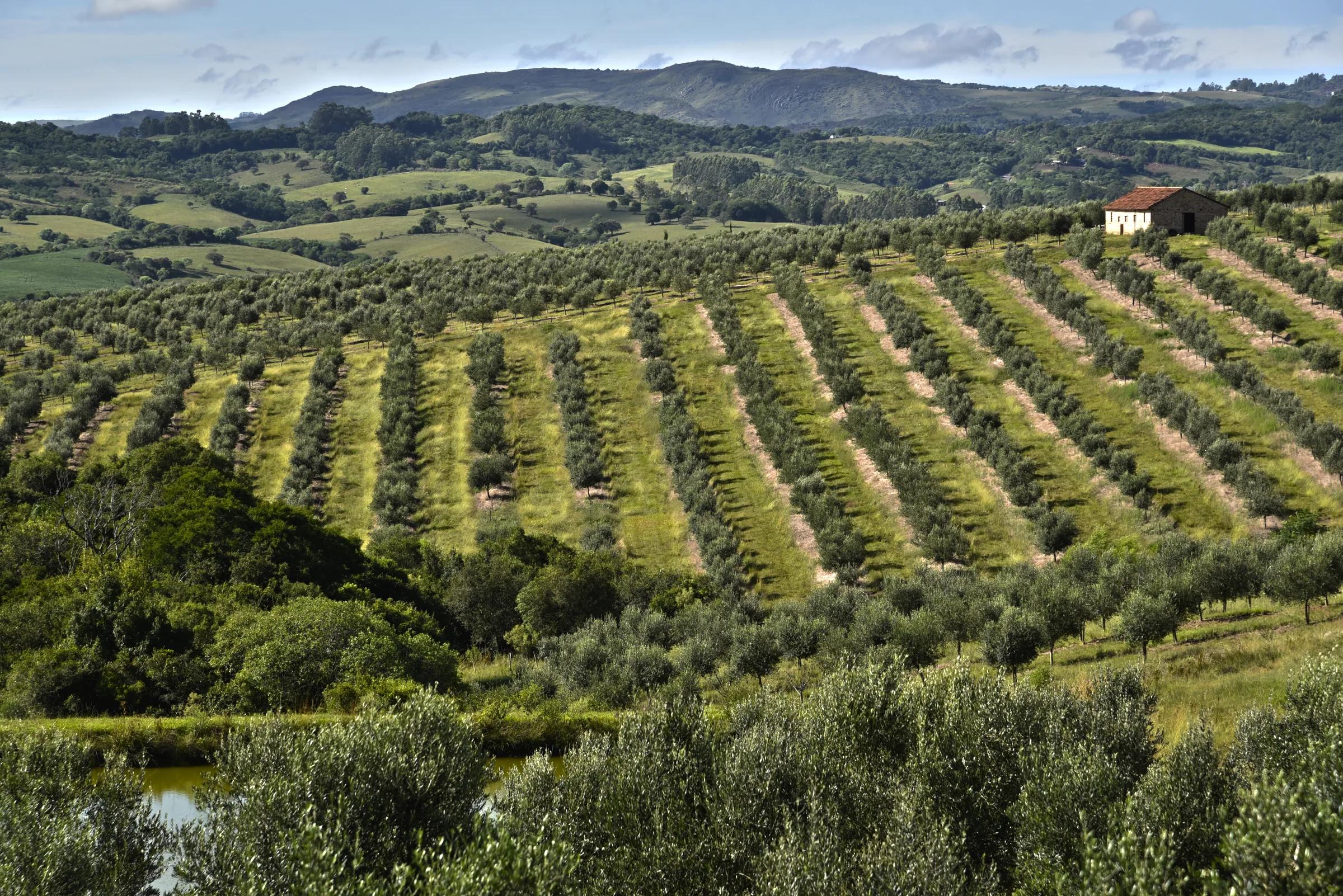
In 2011, when almost no olive oil was made in Brazil, Tecnoplanta, a forestry nursery in Barra do Ribeiro, began producing olive saplings. The first groves were planted to show sapling buyers that quality olive oil could be made here. The demonstration became our business.
An olive tree takes years to bear its first crop. Rather than wait, in 2012 we bought a grove already in production in Caçapava do Sul, in the Campanha Gaúcha, and built our mill there.
The first harvest
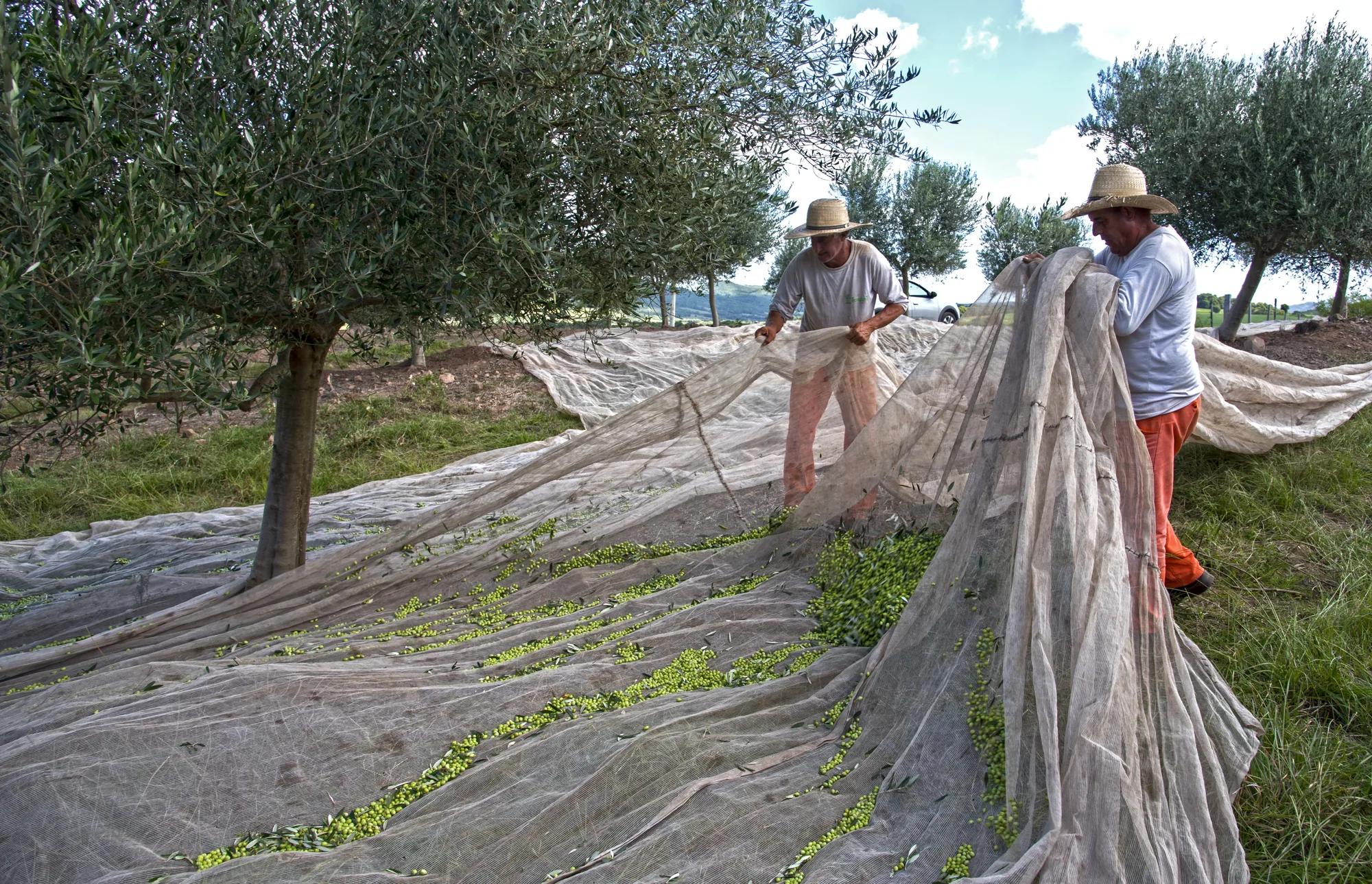
In 2013 we bottled our first harvest, with "Safra 2013" (harvest 2013) on the label: we were the first in Brazil to state the harvest. A few bottles and a question we keep answering every harvest: how far can Brazilian olive oil go?
The mill
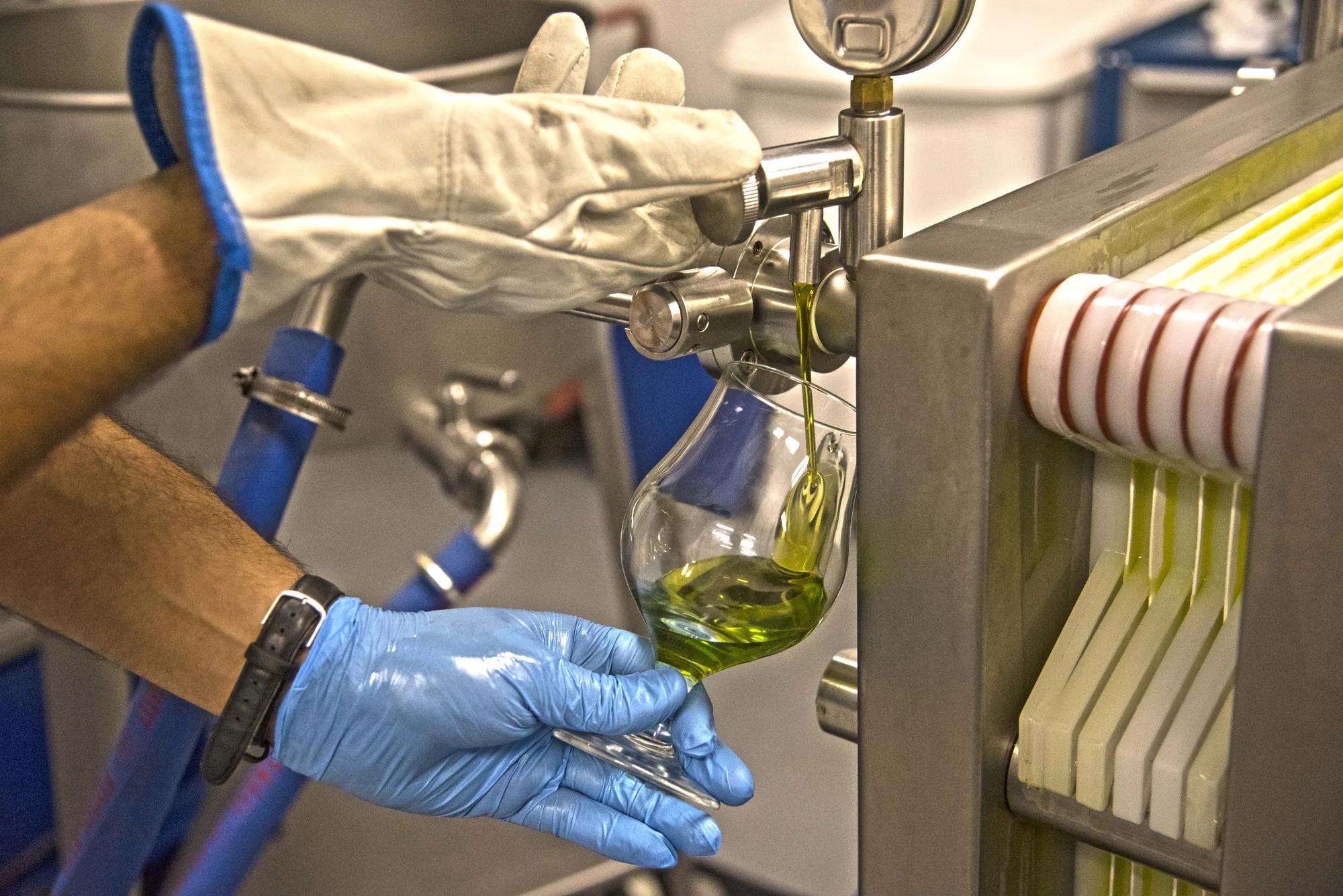
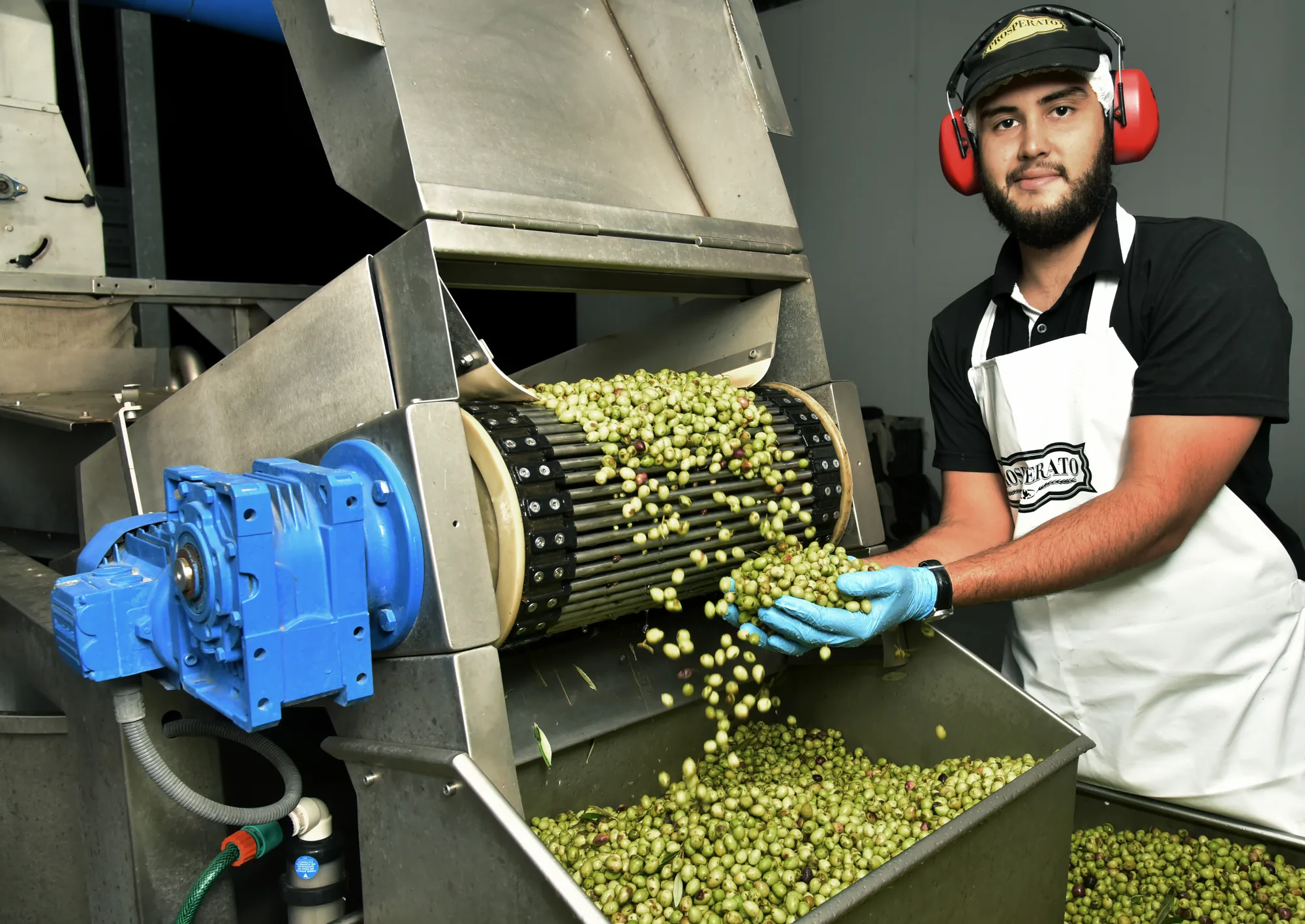
Our mill is in Caçapava do Sul, close to the groves. The olives arrive a few hours after picking and are cold milled and malaxed; the oil is centrifuged, filtered and stored in stainless steel under nitrogen until bottling.
This care with time is what keeps the oil fresh. That is why the label shows the harvest, the bottling date and, since 2025, the sensory analysis.
Beyond our groves
The Criações Globais line is a selection made directly with producers in Chile and Spain. Our master miller visits the producers and chooses every lot, which travels in refrigerated containers to preserve its quality.
Here we craft the assemblages, mild and intense, with the same care, technique and dedication as the olive oils we produce in Brazil.
Recognition
Since 2016 our olive oils have won awards in international competitions. We have been in the Flos Olei guide for 11 consecutive editions and, in 2024, the EVOO World Ranking placed Prosperato among the 4 best olive oil brands in the world, first in Brazil and in the Southern Hemisphere.
Today
Lagar & Empório Prosperato, next to the mill, is open every day for tastings. The online Empório delivers across Brazil, and shops and restaurants buy directly from us.
Every bottle shows what matters: the harvest, the variety and the bottling date.
Timeline
- 2011
The first olive saplings
At the Tecnoplanta nursery in Barra do Ribeiro, Eudes Marchetti and Osmar da Rosa, with more than 30 years of experience growing saplings, start producing olive saplings. The same year we plant our first groves, in Barra do Ribeiro and Sentinela do Sul.
- 2012
The Caçapava do Sul grove
To save the years a young olive tree needs before it bears fruit, we buy a grove already in production in Caçapava do Sul, in the Campanha Gaúcha. The Prosperato brand is born, and new plantings and the construction of the mill begin.
- 2013
The first harvest, with the year on the label
The mill starts operating with Italian machinery, a pioneer of in-line extraction in Brazil. Out comes our first olive oil, the Premium Blend Arbequina & Arbosana, with "Safra 2013" on the label: we were the first in Brazil to state the harvest. New groves are planted in Caçapava do Sul and São Sepé.
- 2014
Brazil's first Koroneiki
The Sentinela do Sul groves give their first crop, and with it we launch Exclusivo Koroneiki, the first single varietal Koroneiki produced in Brazil. We open our online shop and start delivering across the country.
- 2015
The Empório at the mill
We open Empório Prosperato next to the mill: we were the first in Brazil to offer olive oil tastings and sales where the oil is made. New groves with new varieties are planted in Sentinela do Sul.
- 2016
The first medal
Our olive oils enter international competitions for the first time, and the first medal comes from Italy: silver for Exclusivo Koroneiki at Domina. We enter the Flos Olei guide as the only Brazilian olive oil, and our bottles are now painted, to protect the oil from light.
- 2017
Gold in New York
Gold for the Premium Blend in New York, the first for a Brazilian olive oil at the competition. We launch Exclusivo Picual, Brazil's first single varietal Picual, which won gold in Israel in its first year.
- 2018
No. 1 in Brazil in the world ranking
In the EVOO World Ranking, Prosperato is first in Brazil for the second year in a row, and the Premium Blend is the 5th olive oil in South America. Gold in New York for Koroneiki and Picual; in Brazil, Proteste tests 69 brands and names the Premium Blend the best, with 96 out of 100 points.
- 2019
The first big harvest
In our first big harvest, nearly a third of all the olive oil produced in Brazil comes from our mill. The Premium Blend wins Best in Class in New York, and we take part for the third time in the olive oil salon at Expoliva, in Jaén, the world's largest olive growing fair.
- 2020
The first export
We launch Exclusivo Frantoio and make the first export of Brazilian olive oil: our olive oils go on sale in the United States through Olive Oil of the World, in Florida.
- 2021
The flavoured oils
We launch Exclusivo Coratina, Exclusivo Galega and the flavoured line made by the Agrumato method, unprecedented in Brazil: fresh purple garlic, Sicilian lemon, basil or jalapeño pepper are milled together with the olives, with no essences.
- 2022
Record harvest and Ascolana Tenera
We harvest a record 70,000 litres and launch Exclusivo Ascolana Tenera, a rarity in Rio Grande do Sul, made in small and very aromatic lots. Our jalapeño olive oil is named the world's best flavoured olive oil at EVO IOOC, and Flos Olei gives us The Emerging Farm of the Year award.
- 2023
Ten years and Origens
For our ten years of olive oil we launch Origens: Campanha Gaúcha, the top of our range and Brazil's first early harvest assemblage, with Koroneiki and Picual from our best plots. The special edition comes in a box made from the wood of our olive tree prunings.
- 2024
Among the 4 best brands in the world
The most awarded year in our history, with more than 120 international awards. In the EVOO World Ranking we are among the 4 best olive oil brands in the world, first in Brazil and in the Southern Hemisphere, and second in the world for flavoured olive oils.
- 2025
Sensory analysis on the label
The label replaces the chemical analysis with the sensory analysis: what the oil shows in the tasting. And, invited by the Jaén olive oil salon, we take Origens: Campanha Gaúcha, the olive oil that best expresses our land, to tasters from all over the world.
- 2026
Criações Globais and 98 points in Flos Olei
The Criações Globais line is born, with Mediterrânica and Sudamérica: lots chosen directly with producers in Spain and Chile, shipped in refrigerated containers and crafted here into mild and intense assemblages. In Flos Olei 2027, our 11th consecutive edition, we score 98 points: no Brazilian olive oil scored higher.
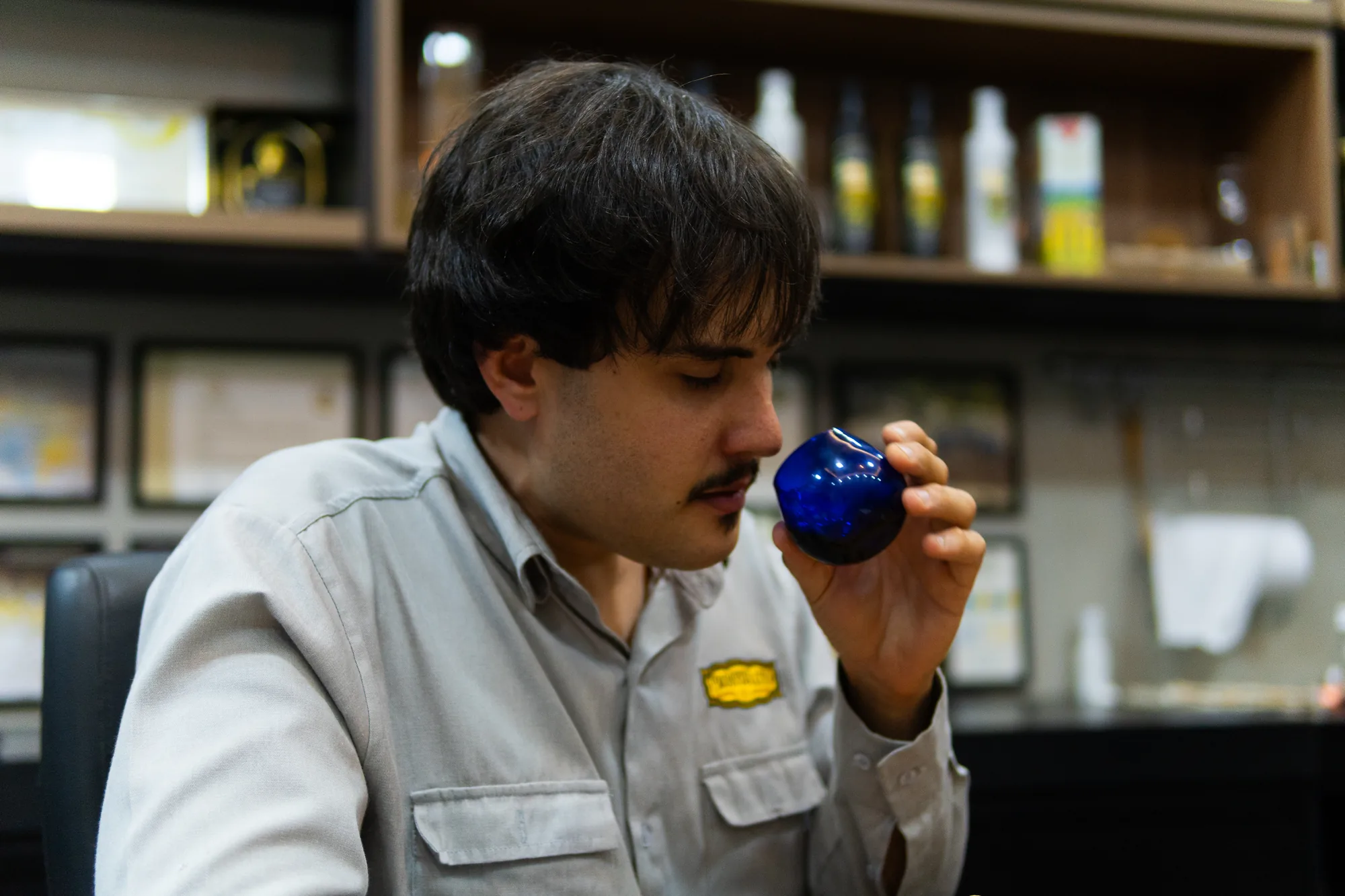
Rafael Marchetti
Master miller and managing director
He looks after the whole process from the mill onward: he oversees extraction, tastes every lot before bottling and crafts the blends and assemblages. He signs every Prosperato olive oil, including the Criações Globais line.

Where we are
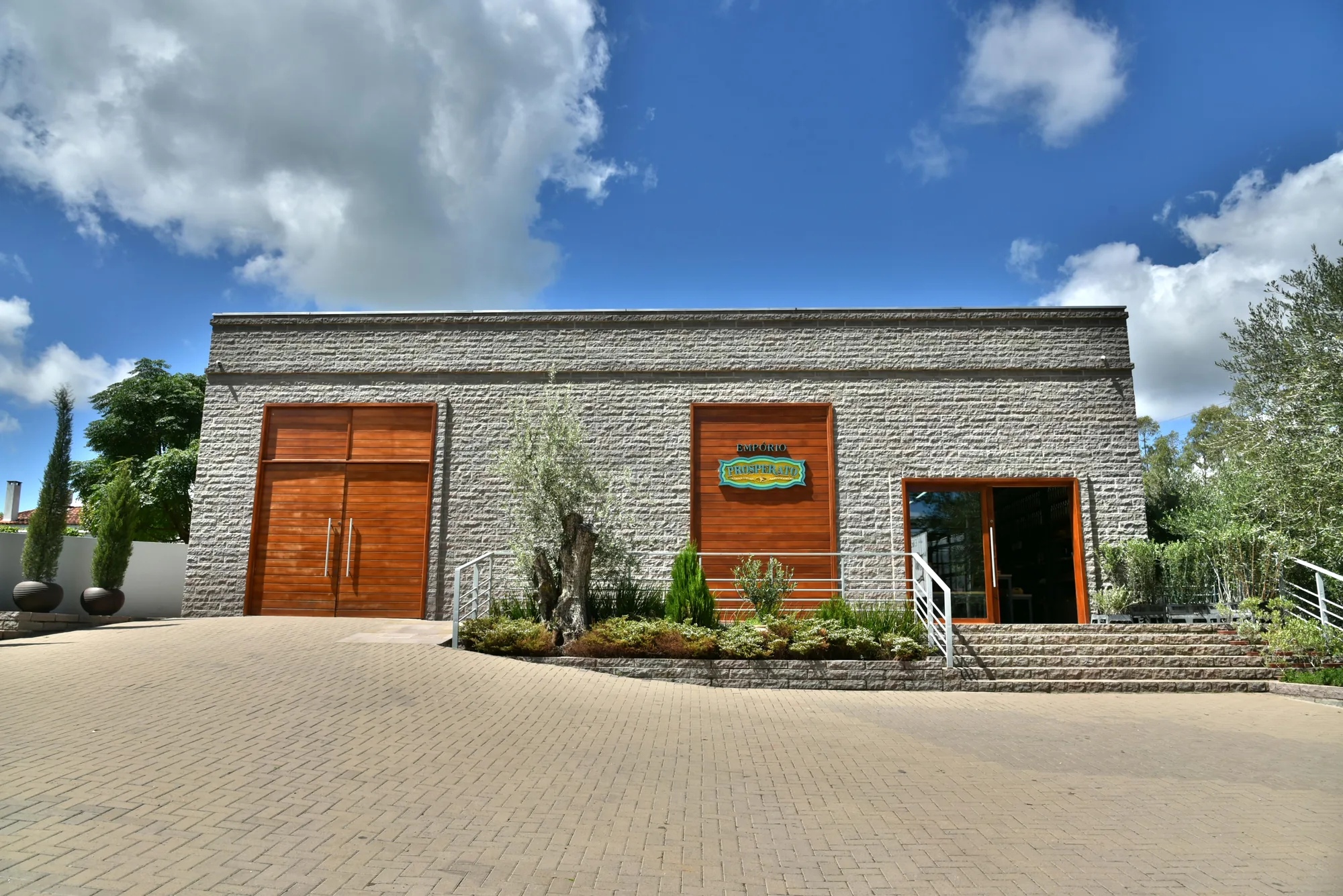
Caçapava do Sul
In the Campanha Gaúcha. The mill, the Lagar & Empório and the groves of the first harvest. This is where the fruit becomes oil.
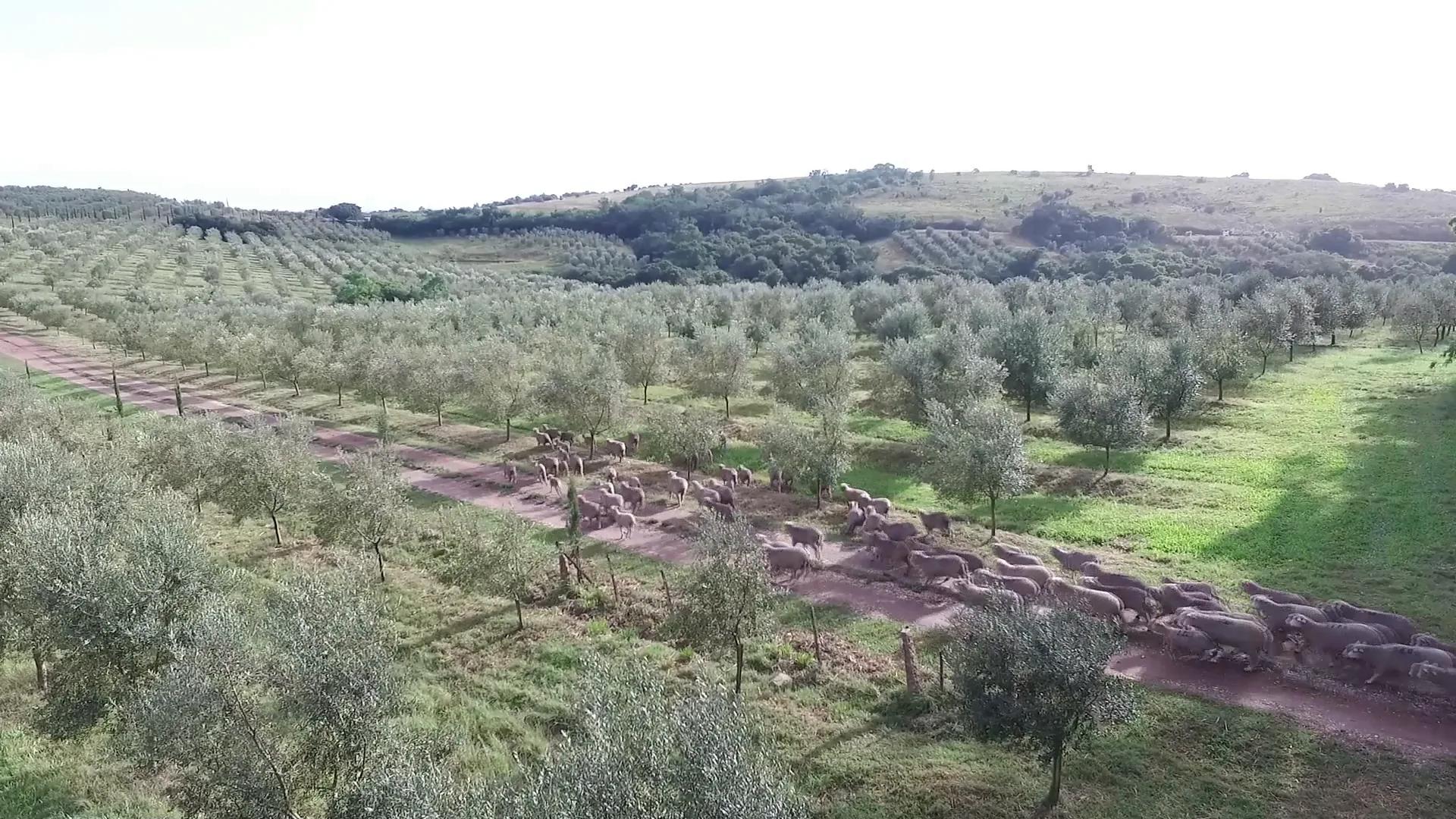
São Sepé
Next to Caçapava do Sul, in the same region. Groves that join our harvests.
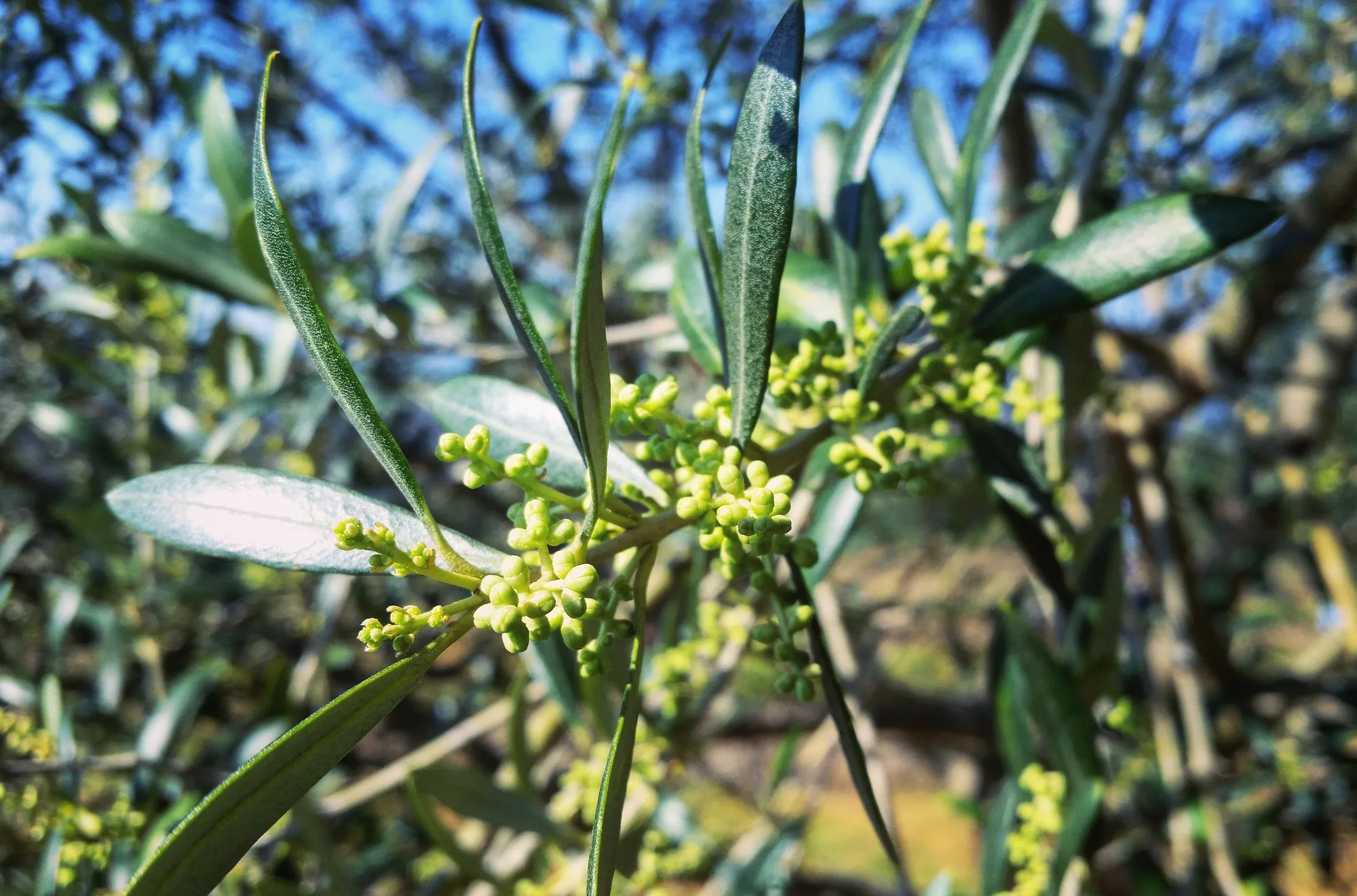
Barra do Ribeiro
On the Costa Doce, near Porto Alegre. The 2011 saplings, the first groves, the head office and shipping.
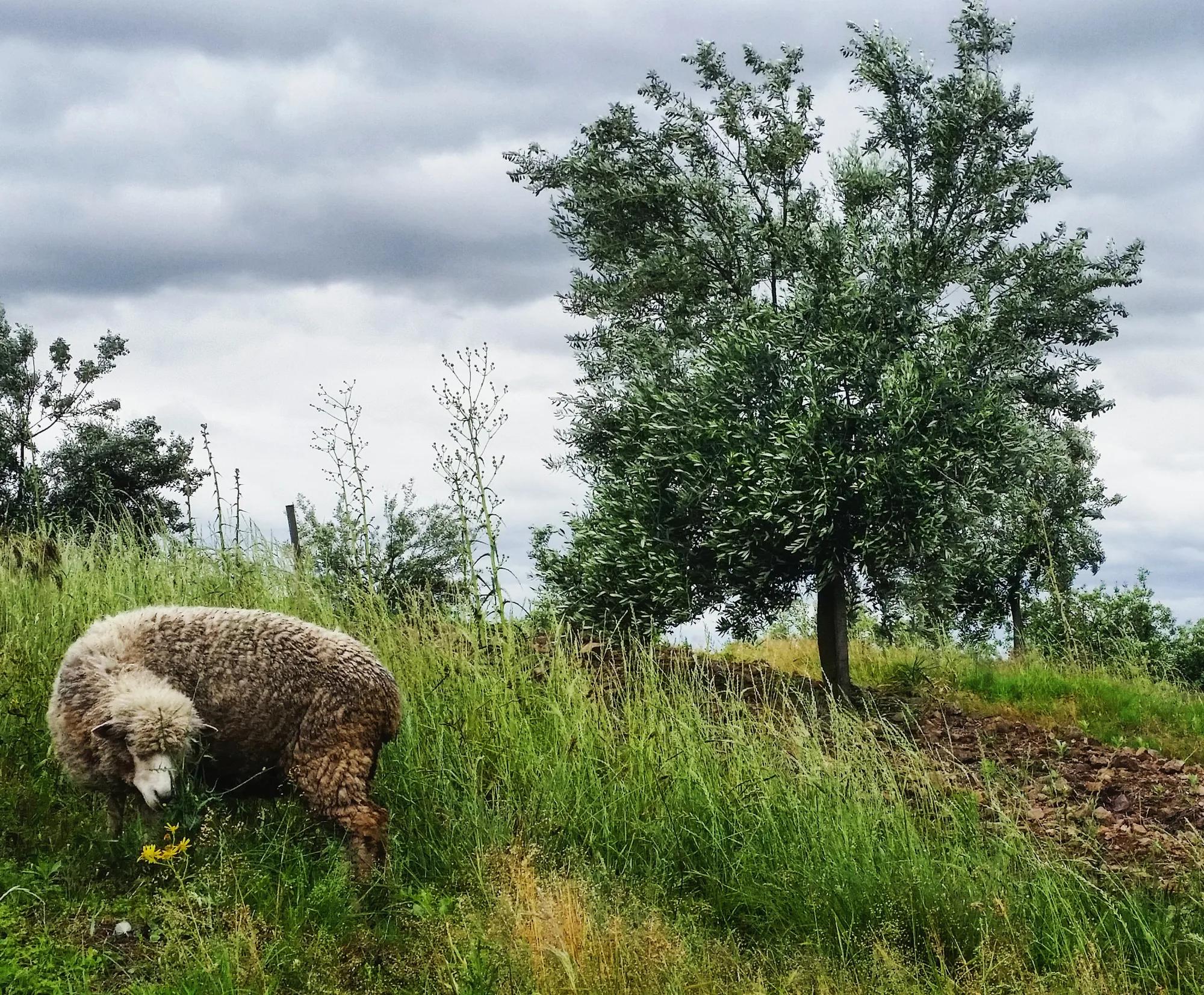
Sentinela do Sul
Also on the Costa Doce, next to Barra do Ribeiro. Groves that complete the harvest.
Tecnoplanta: the saplings
Prosperato began with Tecnoplanta, a sapling nursery in Barra do Ribeiro. Since 2011 it has produced olive saplings that are pruned, staked and rooted in the nursery, ready to form an even grove that is easy to harvest.
Tecnoplanta supplies saplings, planting, technical support and inputs to anyone who wants to grow olives in Brazil, and buys the fruit or mills the oil for growers without a mill.
From tree to mill in a few hours
See how we make it